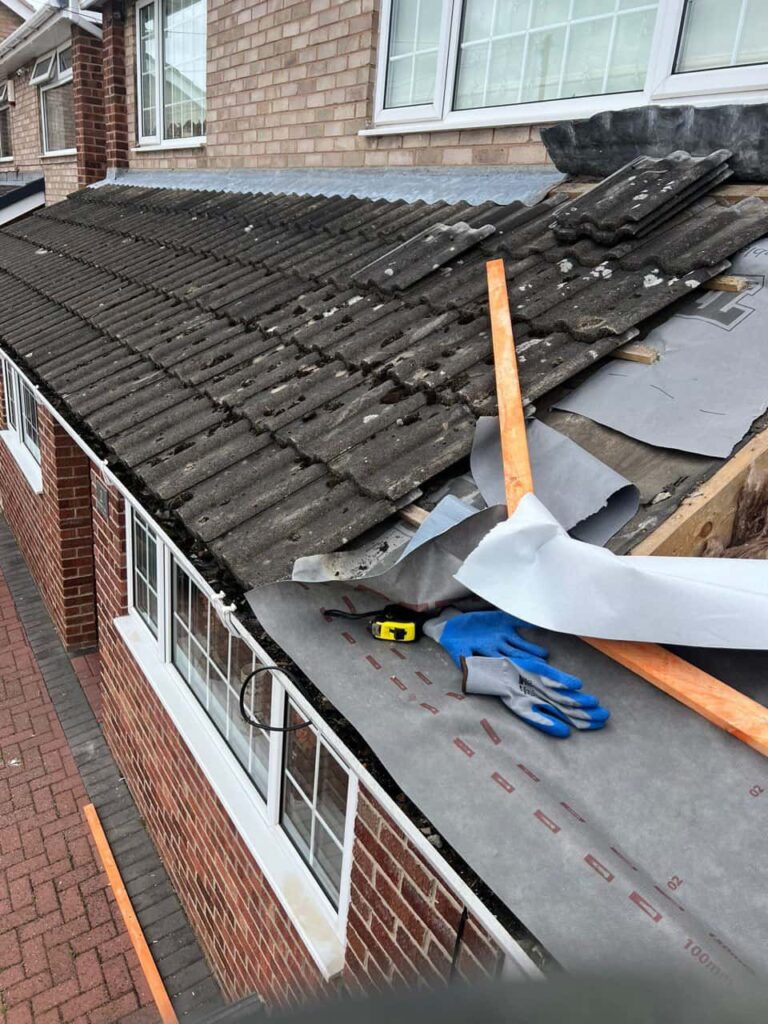
How to Assess the Condition of a Garage Roof
A damaged garage roof does not automatically need replacing. Many isolated defects can be repaired successfully when the surrounding materials and supporting structure remain in good condition. However, if problems are widespread, recurring or linked to deterioration beneath the surface, more extensive work may provide a more reliable solution.
For property owners in Dartford, Kent, the correct decision should be based on the roof’s overall condition rather than the appearance of one visible defect. A professional inspection can establish whether a targeted repair is appropriate or whether a broader section of the roofing system requires attention.
What Type of Garage Roof Do You Have?
The construction of the garage roof influences how damage develops and how it should be addressed. Common designs include pitched tiled roofs and flat roofs covered with felt, membranes or other waterproofing systems.
A pitched garage roof relies on securely fixed tiles, sound underlay, effective flashing and properly maintained roof edges. A flat garage roof depends on an uninterrupted waterproof covering, suitable falls and clear drainage points.
Understanding the roof type helps identify which components may have failed and whether the problem is confined to a small area.
When Is a Garage Roof Repair Likely to Be Suitable?
A focused repair may be worthwhile when the defect is clearly identifiable and the rest of the roof remains sound. Examples include:
- One or two cracked, slipped or missing tiles
- A small split or puncture in a flat roof covering
- Localised lifting at an edge or joint
- Damaged flashing around a wall or roof penetration
- A blocked outlet causing temporary water build-up
- A minor leak with no evidence of widespread dampness
- Limited damage following strong winds
In these circumstances, replacing or securing the affected materials may restore the roof’s performance. The surrounding area should still be examined because water can travel beneath the covering before becoming visible inside the garage.
Signs That More Extensive Work May Be Needed
Broader work may be more appropriate when deterioration affects several parts of the roof or when local repairs have repeatedly failed. Warning signs can include:
- Numerous cracks, splits or blisters across a flat roof
- Several loose, damaged or missing tiles
- Recurring leaks in the same area
- Water entering at multiple points
- Persistent ponding after rainfall
- Sagging or uneven sections
- Damp or decaying roof timbers
- Widespread deterioration around edges and joints
- Previous patching across much of the roof surface
These signs can indicate that the waterproof layer, supporting deck or other connected components are no longer performing reliably. Repairing individual symptoms may then leave other vulnerable areas untreated.
Why Garage Roofs Can Deteriorate Prematurely
Garage roofs are sometimes given less attention than the main roof, allowing small defects to develop unnoticed. Flat garage roofs can also experience standing water if outlets become blocked or the surface no longer drains correctly.
Other causes of premature deterioration include:
- Ageing or weathered roof coverings
- Inadequate installation or preparation
- Movement within the supporting structure
- Damaged or poorly sealed junctions
- Overhanging branches and accumulated debris
- Repeated exposure to wind and rain
- Earlier repairs that addressed symptoms rather than causes
Identifying why the roof has failed is essential. Without addressing the underlying cause, a newly repaired area may become damaged again.
Does a Leak Mean the Whole Garage Roof Has Failed?
Not necessarily. A leak can result from a small opening in an otherwise serviceable roof. The amount of water visible inside also does not always reflect the size of the external defect.
However, the leak should be investigated promptly. Water may spread through the roof deck, insulation or supporting timbers before dripping into the garage. A minor internal mark can therefore conceal a larger damp area.
An inspection should assess both the point of entry and the route taken by the water. This helps distinguish a localised defect from a more widespread breakdown of the roofing system.
Why the Supporting Structure Matters
The visible covering is only one part of a garage roof. The condition of the decking, battens, joists and other supporting elements can significantly affect the appropriate solution.
If these components remain dry, stable and structurally sound, a local repair or partial renewal may be sufficient. If prolonged water ingress has caused softening, distortion or decay, the affected materials may also need attention.
Covering damaged supports with new roofing material will not correct movement or weakness beneath the surface. A proper assessment should therefore consider the complete roof build-up.
Repair, Partial Renewal or Full Replacement?
Garage roof work generally falls into three categories:
- Local repair: Suitable for an isolated defect where adjacent materials remain sound.
- Partial renewal: Appropriate when damage affects one section but the remainder of the roof is still serviceable.
- Full replacement: Considered when deterioration is widespread, the roof has several persistent weak points or the underlying structure requires substantial attention.
The best option is not determined by age alone. The roof’s condition, previous repair history, drainage performance and extent of hidden damage all need to be considered together.
The Value of a Professional Roof Assessment
A professional assessment provides a clearer picture of what is happening above and below the visible surface. It may include checking:
- The condition of the roof covering
- Joints, edges and flashing
- Drainage outlets and surface falls
- Signs of moisture beneath the covering
- Internal timbers or roof decking
- Previous repair areas
- The extent of movement or deterioration
This evidence helps prevent a minor fault from being treated as a major failure while also avoiding repeated patch repairs where more comprehensive work is needed.
Conclusion
A garage roof is usually worth repairing when damage is localised and the surrounding roof remains sound. More extensive work may be necessary when leaks recur, deterioration is widespread, drainage is poor or moisture has affected the supporting structure.
If you are uncertain about the condition of your garage roof, Dartford Roofing Repairs can carry out a careful assessment and recommend a suitable course of action. Addressing the underlying cause can help restore reliable protection without undertaking more work than the roof genuinely requires.
Call us on: 01322 952 298
Click here to find out more about Dartford Roofing Repairs
Click here to complete our contact form and see how we can help with your roofing needs.