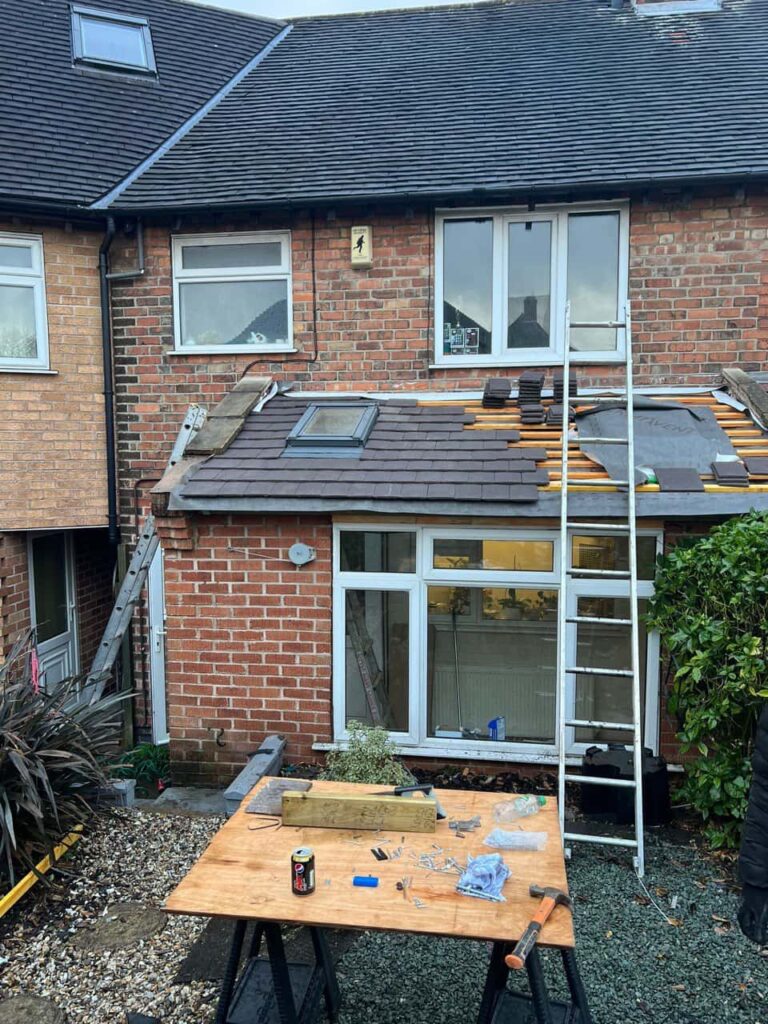
A roof that has leaked more than once can understandably raise concerns about its long-term reliability. Repeated water ingress may suggest that the roof is deteriorating, but a history of leaks does not automatically mean the entire roof has reached the end of its useful life.
In many cases, a roof can be restored to a dependable condition when the underlying causes of the leaks are identified correctly and the necessary repairs are completed thoroughly. The key is to look beyond the visible signs of water ingress and establish why the problems have been occurring.
For property owners in Dartford, Kent, a professional roof assessment can provide a much clearer picture of the roof’s overall condition and whether targeted repairs can restore its performance.
Why a History of Roof Leaks Deserves Careful Investigation
A single roof leak may be caused by an isolated defect, such as a slipped tile or a small area of damaged flashing. When leaks have occurred repeatedly, however, it becomes increasingly important to assess the roof as a complete system rather than simply repairing the most obvious defect.
Water can enter through one part of a roof and travel along roofing materials, timbers or other surfaces before becoming visible internally. This means the damp patch inside a property may not be directly beneath the original point of entry.
A thorough assessment can help establish whether previous leaks resulted from separate minor defects or whether there is a recurring underlying weakness that needs more comprehensive attention.
Previous Repairs Do Not Always Address the Root Cause
A roof may have received several repairs over the years while continuing to develop leaks. This does not necessarily mean that repairs are ineffective. It can indicate that earlier work addressed individual symptoms rather than the wider cause.
For example, recurring water ingress may be associated with:
- deteriorated flashing around roof junctions
- cracked, displaced or weathered tiles
- weaknesses around valleys and abutments
- ageing mortar around ridge or verge areas
- deterioration of the roof covering in a particular section
- defects around penetrations and other vulnerable details
- several smaller faults allowing water to enter under certain weather conditions
Identifying how these elements interact is an important part of restoring a roof successfully.
The Condition of the Main Roof Covering Matters
One of the most important considerations is the overall condition of the tiles, slates or other roof covering.
A roof may have experienced several leaks while the majority of its covering remains structurally sound and capable of continuing to perform effectively. If the problems are concentrated around particular areas, careful repair work may be sufficient to restore reliability.
However, if defects are widespread, materials have become significantly weathered or numerous sections are beginning to fail, the assessment needs to consider the roof more broadly.
The objective should always be to determine what work is genuinely required rather than assuming that a history of leaks automatically calls for extensive intervention.
Roof Junctions Often Require Particular Attention
Many persistent leaks originate around the more complex parts of a roof rather than across the main uninterrupted roof covering.
Chimneys, valleys, abutments, roof edges and other junctions depend on carefully installed materials to direct rainwater safely away. Over time, movement and weather exposure can cause these details to deteriorate.
A roof may therefore appear generally sound while continuing to leak from one vulnerable junction. Correcting that detail properly can make a significant difference to the overall reliability of the roof.
Signs of Previous Water Ingress Need to Be Distinguished From Active Problems
Old staining inside a roof space or property does not necessarily mean that water is still entering.
Timbers and other materials may retain visible marks from leaks that occurred years earlier. During an assessment, it is important to distinguish historical evidence from signs of current moisture penetration.
This prevents unnecessary work and helps ensure attention is directed towards defects that are genuinely affecting the roof today.
The Supporting Roof Structure Should Be Considered
Where a roof has experienced prolonged or repeated leaks, the visible covering is only part of the assessment.
Water entering over an extended period can affect battens, underlay and timber components beneath the roof covering. The extent of any deterioration will depend on where the water has travelled and how long the area has remained exposed to moisture.
This is one reason why simply replacing a visibly damaged tile may not always provide a complete solution. Understanding what is happening beneath the surface helps ensure repairs address the full extent of the problem.
A Reliable Repair Depends on Accurate Diagnosis
Effective roof restoration begins with diagnosis rather than guesswork.
Professional roofers will look at the pattern of deterioration, the condition of surrounding materials and the way different sections of the roof are designed to manage rainwater. This helps identify the likely route of water ingress and whether more than one defect is contributing to the problem.
At Dartford Roofing Repairs, we believe this detailed approach is particularly important for roofs with a history of leaks. Understanding why the roof has failed previously allows repairs to be planned around the actual condition of the roof rather than simply responding to the latest damp patch.
When Targeted Repairs Can Restore Reliability
A history of leaks does not prevent targeted repairs from being a sensible solution.
If the main roof covering remains serviceable and the sources of water ingress can be clearly identified, repairs may involve replacing damaged materials, restoring vulnerable junctions, correcting flashing defects or dealing with other localised weaknesses.
The important distinction is between a roof with several repairable defects and one where deterioration has become widespread. A detailed inspection helps establish which situation applies.
Why Repeated Quick Fixes Can Become Unhelpful
Repeatedly dealing with leaks individually without considering the wider roof can make it difficult to understand the true condition of the structure.
One repair may stop water entering temporarily while another nearby weakness remains unnoticed. This can create the impression that the original repair has failed when, in reality, a different defect has developed or was present all along.
When leaks keep returning, moving from reactive repairs to a whole-roof assessment can provide a much clearer route towards dependable performance.
Restoring Confidence in the Roof
The purpose of roof repair is not simply to make a visible leak disappear. Good roofing work should restore the roof’s ability to protect the property consistently.
For a roof with a history of leaks, this means checking vulnerable details, assessing surrounding materials and ensuring repaired areas integrate correctly with the rest of the roof.
Once the causes of previous water ingress have been properly understood and addressed, many roofs can continue to provide reliable protection.
Conclusion
Yes, a roof with a history of leaks can often be restored to reliable condition. Previous leaks alone do not determine whether a roof remains serviceable. What matters is the overall condition of the roof, the reasons the leaks occurred and whether those underlying defects can be corrected effectively.
For homeowners in Dartford, Kent, a professional assessment is particularly worthwhile when leaks have returned repeatedly or previous repairs have not provided a lasting solution.
If you are concerned about recurring roof leaks or would like the wider condition of your roof assessed, contact Dartford Roofing Repairs. We can inspect the roof carefully, identify areas requiring attention and recommend appropriate repairs to help restore dependable protection to your property.
Call us on: 01322 952 298
Click here to find out more about Dartford Roofing Repairs
Click here to complete our contact form and see how we can help with your roofing needs.